1. The Origins of Indian Spices
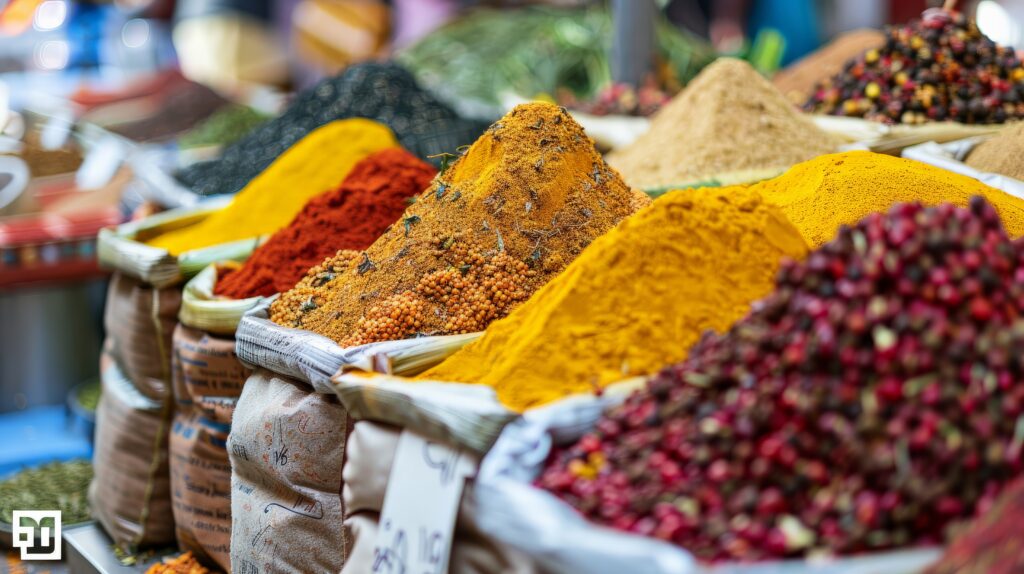
For centuries, Indian spices have been the heart of the global spice trade, admired for their aroma, flavor, and healing properties. The Indian subcontinent’s diverse climate—from the lush Western Ghats to the arid plains of Rajasthan—has given rise to a vast range of spices that define world cuisines today. Pepper, cardamom, turmeric, cumin, cinnamon, and coriander are just a few of the treasures that have made India the largest exporter of spices in India and a symbol of quality worldwide.
The spice trade dates back thousands of years when India’s Malabar Coast was a bustling hub for merchants from Arabia, Greece, and China. These traders carried Indian spices across seas, shaping culinary traditions and economies. Even today, this legacy continues, as India remains one of the most influential spice producers, exporters, and innovators in the modern food industry. The story of Indian spices is not just about trade—it is about a cultural bridge that connects the world through taste and tradition.
2. Spices in Religion and Rituals
In India, spices hold a sacred place beyond the kitchen. They are deeply interwoven with religious rituals, traditional medicine, and ancient customs. Turmeric, for example, is not only a culinary essential but also a symbol of purity and prosperity. It is used in Hindu ceremonies, weddings, and festivals as a sign of auspiciousness. Similarly, sandalwood, cloves, and cardamom find their way into incense and offerings during prayers.
This spiritual connection to spices enhances India’s reputation as the exporter of spices in India, where every spice is grown, harvested, and prepared with care and devotion. The ancient Ayurvedic texts highlight the role of spices like black pepper and ginger in maintaining health and balance, a concept that has found renewed interest in the global wellness industry. As India continues to export these sacred flavors, it shares not only ingredients but centuries of cultural and spiritual wisdom.
3. Health Benefits of Organic Indian Spices
The demand for organic spices is growing globally, driven by a collective awareness of health and sustainability. Indian spices, rich in antioxidants, anti-inflammatory compounds, and essential oils, have become an integral part of the global movement toward natural wellness. Turmeric, known for its powerful compound curcumin, is one of the most sought-after exports for its therapeutic benefits in immunity and joint health.
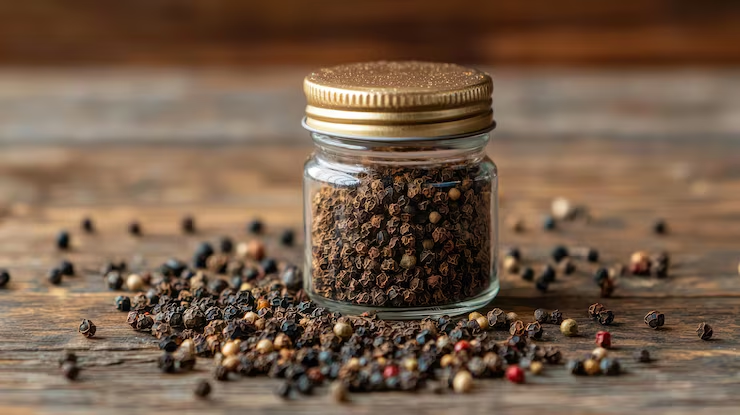
Cinnamon aids in regulating blood sugar, cumin promotes digestion, and black pepper enhances nutrient absorption—making Indian spices an indispensable part of a healthy lifestyle. This has fueled the growth of the Spices Board of India exporters list, which includes certified companies that ensure purity, sustainability, and authenticity in every export consignment.
As global consumers shift toward chemical-free, naturally grown ingredients, India’s emphasis on organic cultivation and quality assurance positions it as a leader in the next generation of spice exports. The focus is no longer only on quantity but also on preserving the natural integrity of each spice, ensuring it carries its full nutritional and medicinal value to international kitchens.
4. Spices in the Global Market
India continues to dominate the international spice trade, standing strong among the Top 10 spices exporting countries. Nations such as Vietnam, China, Indonesia, and Sri Lanka also play crucial roles, but India’s vast production diversity gives it an edge. Whether it’s the fiery red chili of Andhra Pradesh, the aromatic cardamom of Kerala, or the earthy cumin from Gujarat and Rajasthan, Indian spices embody authenticity and excellence.
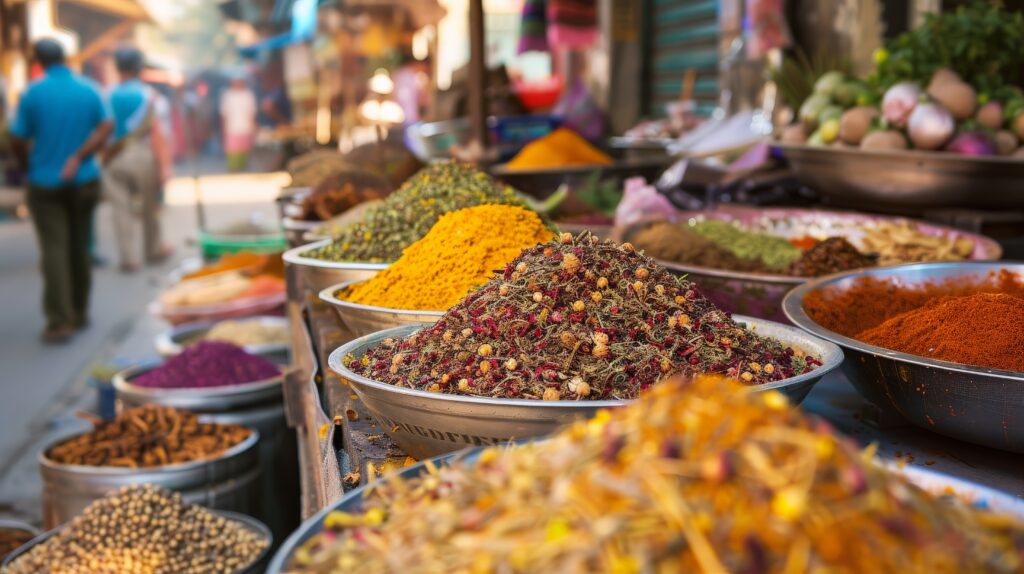
In 2025, the export market for spices is expected to grow significantly, with high demand from the Middle East, Europe, and North America. Particularly, Spices export from India to Dubai has seen remarkable growth, as the UAE continues to serve as a re-export hub for global spice distribution. Dubai’s spice souks have long been synonymous with the vibrant colors and fragrances of Indian exports, highlighting the country’s enduring influence in the spice trade.
The Indian government, through initiatives by the Spices Board of India exporters list, ensures quality certification, traceability, and packaging innovation. These measures help exporters meet international safety and hygiene standards while strengthening India’s brand identity in global markets. With evolving trade policies and modern supply chains, Indian spices are reaching new destinations more efficiently than ever.
5. Buying Indian Spices Online
E-commerce has transformed how spices reach global consumers. Buyers can now access authentic Indian spices directly from certified exporters and manufacturers through digital platforms. This accessibility has not only expanded India’s export market but also brought small and medium spice producers into the global spotlight.
Certified sellers listed under the Spices Board of India exporters list ensure that every spice sold online meets rigorous standards of purity and quality. Consumers can now order premium-grade turmeric, cardamom, black pepper, or cumin directly from India and experience the authenticity of traditional flavors without intermediaries.
For the exporter of spices in India, online trade also means broader market penetration and stronger relationships with end consumers. It provides opportunities to showcase new blends, promote organic certifications, and build a loyal international customer base. The convenience of online spice trading complements the government’s vision of “Digital India,” blending technology with one of the oldest trades known to humankind.
6. The Future of Indian Spices
As global tastes evolve, the future of Indian spice exports lies in innovation, sustainability, and storytelling. Indian companies are investing in advanced processing units, AI-based quality inspection systems, and eco-friendly packaging to enhance global competitiveness. The largest exporter of spices in India will not only depend on production capacity but also on the ability to maintain consistency, transparency, and ethical sourcing.
Emerging trends show a growing preference for single-origin spices and traceable sourcing. Consumers in Europe and North America increasingly want to know where their food comes from and how it is grown. This has encouraged Indian spice exporters to work closely with farmers to maintain organic certifications and fair trade practices.
Moreover, value-added spice products such as blends, extracts, and ready-to-use seasonings are gaining traction. These innovations open new revenue streams for exporters while meeting the demands of global food industries and health-conscious consumers. With continuous support from the government and the Spices Board of India exporters list, India is set to strengthen its dominance among the Top 10 spices exporting countries.
The Middle East, particularly Dubai, will remain a strategic hub for Spices export from India to Dubai, as the region continues to bridge trade between Asia, Africa, and Europe. By 2025, with increased digital integration, better logistics, and global branding, India’s spice industry is poised to grow into a USD 6 billion market.
7. Final Thoughts
The story of Indian spices is one of heritage, innovation, and global impact. From being bartered on ancient trade routes to dominating digital marketplaces, Indian spices continue to shape culinary traditions across continents. As the largest exporter of spices in India, the country’s commitment to quality, sustainability, and authenticity ensures that every grain, pod, and root carries the essence of its soil.
The coming years will witness a stronger synergy between technology, tradition, and trade. With focused efforts by the Spices Board of India exporters list, better policies, and growing demand for organic and ethically sourced products, India’s spice exports are set to reach new milestones. Whether it is a consumer in Dubai savoring a curry or a chef in Europe crafting a gourmet dish, the flavors of India will continue to inspire, connect, and delight.
In 2025 and beyond, the future of Indian spices shines bright—an aromatic promise of excellence from the world’s true spice capital.