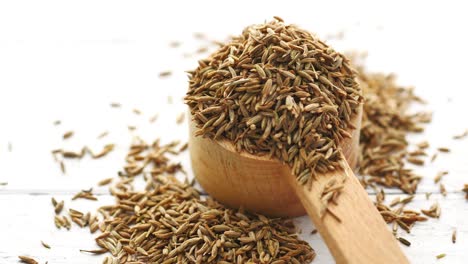
In global spice procurement, cumin seeds are often viewed as a commodity—until quality issues disrupt production lines or shipments fail compliance checks. For international buyers, the difference between a smooth sourcing experience and a costly setback often comes down to choosing the right cumin seed exporter with robust systems in place.
As regulatory scrutiny increases and buyers demand greater transparency, cumin sourcing is no longer about price alone. Trust, traceability, and processing integrity now define how buyers evaluate a cumin seed exporter.
Why Buyer Trust Has Become Central to the Cumin Trade
Cumin is widely used across ready-to-eat foods, spice blends, and ethnic cuisines, making it a high-volume yet high-risk ingredient if quality slips.
Global buyers today expect:
- Predictable sensory and physical quality
- Compliance with strict residue norms
- Transparent documentation and audit readiness
A professional cumin seed exporter recognizes that trust is built shipment by shipment—not promised upfront.
India’s Role in the Global Cumin Supply Chain
India is one of the world’s leading producers and exporters of cumin seeds. However, not all exporters operate at the same level of sophistication.
Regional Sourcing Strength
Indian cumin is cultivated in arid regions known for producing seeds with strong aroma and oil content. A capable cumin seed exporter leverages this regional diversity to meet varying buyer specifications.
Export-Oriented Ecosystem
India’s spice export framework supports cleaning, sorting, sterilization, and testing—essential for serving regulated markets.
Traceability: From Farm to Shipment
Traceability has shifted from a value-add to a buyer requirement.
A reliable cumin seed exporter maintains:
- Lot-wise sourcing records
- Batch-level processing data
- Shipment-linked test reports
This level of traceability allows buyers to conduct recalls, audits, or quality investigations without disruption.
Processing Standards That Influence Export Acceptance
Processing quality directly affects how cumin performs in industrial applications.
Advanced Cleaning Systems
Multi-stage cleaning removes stones, dust, and foreign seeds, ensuring uniformity and reducing contamination risk.
Sorting and Grading
Optical sorting enhances visual consistency, a key requirement for retail and packaged food brands relying on automated filling systems.
Sterilization and Microbial Control
Steam sterilization is increasingly preferred to meet microbial limits without altering flavor. A modern cumin seed exporter in India offers sterilization tailored to buyer market requirements.
Compliance Expectations Across Global Markets
Regulatory expectations differ by destination but share common themes.
A compliant cumin seed exporter supports buyers with:
- Pesticide residue analysis
- Microbial test reports
- Phytosanitary and origin documentation
- Market-specific compliance support (EU, US, Middle East)
This documentation minimizes customs delays and rejection risks.
Packaging and Logistics: Protecting Quality in Transit
Even well-processed cumin can deteriorate if packaging is inadequate.
Exporters typically provide:
- Food-grade PP or jute bags with liners
- Moisture-controlled bulk packaging
- Container loading optimized for long-distance shipping
An experienced cumin seed exporter understands that logistics is an extension of quality control.
How Buyers Can Assess a Cumin Seed Exporter
Buyers looking for long-term partnerships should evaluate exporters beyond sample quality.
Key assessment points include:
- Processing and sterilization infrastructure
- Traceability systems and documentation accuracy
- Responsiveness and technical understanding
- Experience with destination-market regulations
The right cumin seed exporter reduces operational risk while ensuring consistent supply.
The Future of Cumin Exports: What Lies Ahead
As food safety standards tighten and buyer audits become more frequent, exporters who invest in digital traceability, process automation, and compliance expertise will lead the market.
For buyers, working with a forward-thinking cumin seed exporter in India offers confidence, continuity, and scalability in an increasingly complex global trade environment.
FAQs
1. Why is traceability important when sourcing cumin seeds?
Traceability helps buyers manage audits, recalls, and regulatory compliance efficiently without supply chain disruptions.
2. What processing methods improve cumin export quality?
Multi-stage cleaning, optical sorting, and steam sterilization significantly enhance export acceptance.
3. Are Indian cumin seeds accepted in EU and US markets?
Yes, when processed and tested to meet international residue and microbial standards.
4. How can buyers verify exporter compliance?
By reviewing lab reports, certifications, traceability records, and prior export experience.
5. Will cumin demand remain strong in global markets?
Yes, steady demand from food processing and ethnic cuisine sectors is expected to continue.