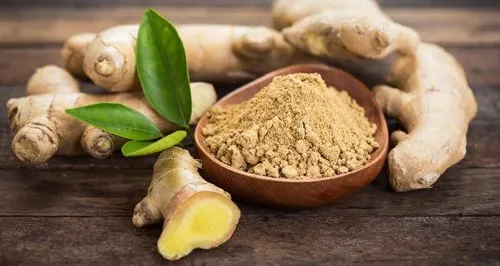
Ginger is one of India’s most sought-after spices in the international market. Its pungent flavor, medicinal benefits, and versatile applications make it a staple for both culinary and industrial uses. From fresh rhizomes to dried and powdered forms, ginger plays a vital role in food manufacturing, beverages, herbal supplements, and natural remedies.
However, global buyers are susceptible to variations in quality. Inconsistent size, color, moisture content, or pungency can impact product formulation, shelf life, and consumer acceptance. This makes the role of a reliable ginger exporter from India critical for maintaining trust, consistency, and long-term trade relationships.
Why Quality Matters in the Ginger Trade
Ginger quality directly affects its market value and acceptability in international markets. Buyers evaluate parameters such as:
● Freshness and appearance of rhizomes
● Drying and processing standards for powders and slices
● Pungency levels and flavor consistency
● Moisture content to prevent spoilage during shipping
Even minor variations can lead to rejection in regulated markets, especially in Europe, the United States, and the Middle East, where quality standards are strictly monitored.
India’s Strength in Ginger Production
India is among the top ginger producers globally, with major cultivation centers in Kerala, Karnataka, Meghalaya, and Sikkim. The country’s climate, fertile soils, and traditional farming expertise allow it to produce ginger with high oil content and strong flavor.
Leading exporters, such as SpiceCentra, partner with local farmers to implement best practices in cultivation, harvesting, and post-harvest handling. This ensures consistency in quality, minimizes losses, and meets the exacting standards of international buyers. By maintaining close collaboration across the supply chain, Indian exporters can respond efficiently to global demand while protecting product integrity.
How Quality Variations Impact Global Trade Decisions
Global buyers make sourcing decisions based on both quality and reliability. Inconsistent ginger can affect:
● Industrial processing: Variable pungency can disrupt beverage, seasoning, or herbal supplement formulations
● Packaging and branding: Dull color or uneven size reduces consumer appeal
● Compliance with international regulations: Moisture, pesticide residues, or microbial contamination can lead to shipment rejections
Exporters who manage these variables effectively gain buyer confidence, often securing long-term contracts. Conversely, quality lapses can result in lost business, higher inspection costs, or strained relationships.
Strategies Employed by Reliable Ginger Exporters
Top exporters in India adopt a multi-faceted approach to ensure consistency:
● Controlled cultivation practices: Selecting suitable varieties, soil preparation, and organic-friendly farming
● Advanced processing: Washing, drying, slicing, and powdering under monitored conditions
● Batch-level quality checks: Measuring moisture content, color, size, and flavor intensity
● Traceability: Documenting the journey from farm to shipment, ensuring transparency for buyers
Such strategies not only protect product quality but also reinforce the exporter’s reputation in competitive international markets.
Key Markets and Export Volumes
India exports thousands of tons of ginger annually to countries including the United States, the United Kingdom, Germany, UAE, and Japan. The ginger export price from India depends on factors like crop yield, rhizome quality, processing standards, and global demand.
Exporters like SpiceCentra leverage modern infrastructure, stringent quality control, and efficient logistics to ensure timely delivery without compromising quality. Long-term contracts with international buyers reflect the trust and reliability built over years of consistent performance.
Challenges in Exporting Ginger
Even experienced exporters face obstacles:
● Seasonal fluctuations affecting yield and quality
● Climatic conditions impacting oil content and pungency
● Meeting diverse regulatory requirements across markets
● Ensuring supply chain efficiency while handling large volumes
Successful exporters mitigate these challenges through proactive planning, farmer collaboration, and continuous monitoring of quality standards.
Sustainability and Ethical Sourcing
Sustainability has become a core concern in the global spice trade. Leading ginger exporters from India are increasingly promoting organic cultivation, reducing chemical use, and supporting farmers with training and resources. This not only safeguards product quality but also appeals to environmentally conscious buyers in international markets.
By integrating sustainable practices, exporters enhance India’s reputation as a responsible supplier of high-quality ginger while contributing to long-term agricultural and economic development.
FAQs
Why is India a preferred source of ginger?
India produces high-quality ginger with strong flavor, pungency, and oil content, supported by a reliable export infrastructure.
What factors do buyers consider when sourcing ginger?
Appearance, moisture content, flavor consistency, processing quality, and compliance with international standards are critical.
Which countries import ginger from India?
Major importers include the United States, United Kingdom, Germany, UAE, and Japan.
How do exporters manage quality variations?
Through controlled cultivation, modern processing, batch-level quality checks, and supply chain traceability.
Is organic ginger in demand internationally?
Yes, organic ginger is highly sought after in Europe, North America, and other health-conscious markets.
Final Note
Quality variations in ginger can make or break global trade decisions. Experienced ginger exporters from India, like our brand SpiceCentra, ensure that every shipment meets international standards, providing consistent flavor, appearance, and shelf life. By combining traditional expertise, modern processing, and sustainable practices, India continues to dominate the global ginger trade, offering buyers both reliability and premium quality.