Exporter of Spices in India: Navigating Global Demand and Quality Excellence
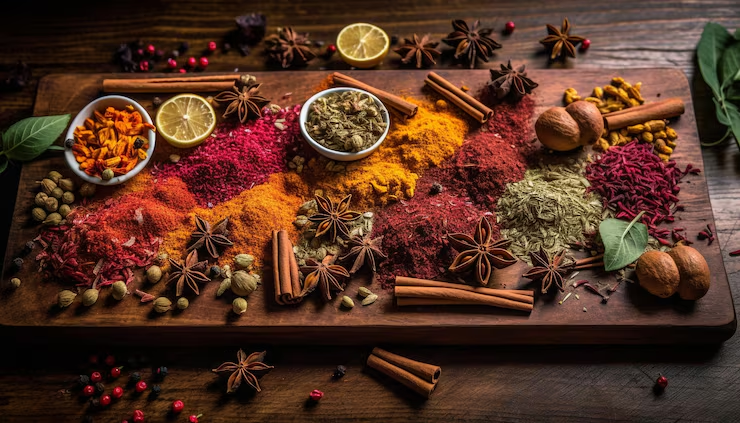
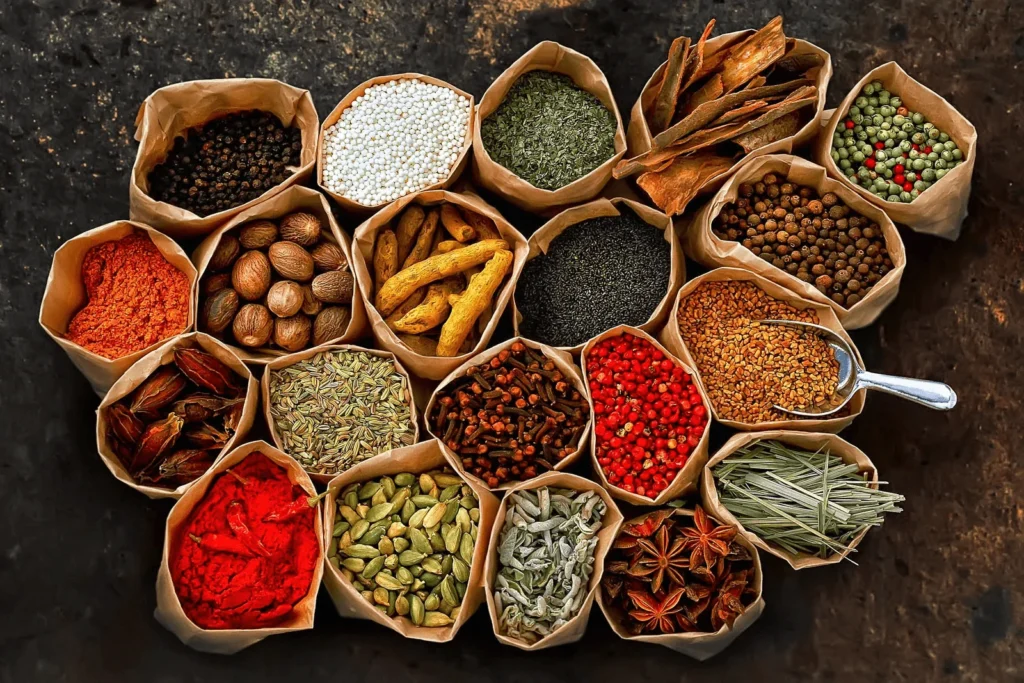
India has long been synonymous with spices. From aromatic cardamom to pungent ginger, cumin, and chili powder, Indian spices are deeply woven into global cuisines and industrial applications. Their reputation for flavor, aroma, and authenticity has made India a top exporter of spices worldwide.
However, succeeding in the global spice market is not just about volume—it is about quality, reliability, and consistency. International buyers rely on exporters to deliver products that meet regulatory standards, flavor expectations, and supply timelines. This makes the role of a trusted exporter of spices in India crucial for sustaining market trust and growth.
India’s Historical Significance in Global Spice Trade
India’s spice trade history spans thousands of years, with its products highly prized in Asia, Europe, and the Middle East. The country’s diverse agro-climatic zones allow cultivation of a wide range of spices, each with distinctive characteristics:
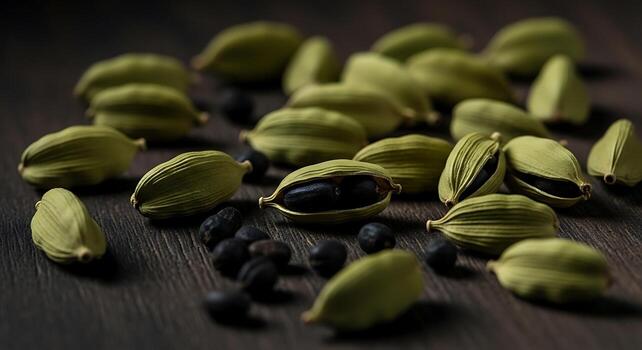
- Cardamom: aromatic and oil-rich, grown in Kerala and Karnataka
- Cumin: earthy and robust, produced mainly in Gujarat and Rajasthan
- Chili powder: vibrant and pungent, sourced from Andhra Pradesh, Telangana, and Maharashtra
- Ginger: pungent and aromatic, grown across Kerala, Karnataka, and Meghalaya
This historical advantage has positioned Indian exporters as preferred partners for buyers seeking authenticity and premium quality.
The Role of Exporters in Maintaining Quality and Traceability
Global buyers increasingly demand transparency in sourcing and processing. Reliable spice exporters adopt a structured approach to maintain quality:
- Sourcing excellence: partnering with trusted farmers and selecting the best crop varieties
- Advanced processing: automated cleaning, grading, drying, and packaging
- Batch-level quality monitoring: testing for aroma, color, size, moisture, and contaminants
- Traceability: documenting every step from farm to export shipment
By implementing these practices, exporters ensure that their spices meet international standards consistently, reinforcing their credibility in competitive markets.
How Indian Spices Meet Diverse Global Requirements
Different markets have specific expectations regarding spice quality. For example:
- Europe and North America: strict residue limits, organic certification, and clean-label preferences
- Middle East and Southeast Asia: focus on aroma, color, and flavor intensity
- Industrial buyers: require precise consistency for food manufacturing and seasoning production
Top exporters, such as SpiceCentra, tailor their products and processes to meet these diverse requirements, ensuring that Indian spices remain preferred in global trade.
Challenges in Exporting Spices
While India produces high-quality spices, exporters face operational and market challenges:
- Seasonal variations affecting crop quality and yield
- Managing contamination, moisture, and spoilage in bulk shipments
- Complying with international regulatory frameworks, including food safety and pesticide limits
- Meeting high-volume demand without compromising consistency
Experienced exporters address these challenges through advanced infrastructure, rigorous quality protocols, and proactive supply chain management.
Key Strategies for Supplier Reliability and Market Growth
Sustaining success in the international spice trade requires more than just quality products. Exporters employ several strategies:
- Transparency in pricing and supply: enabling buyers to plan purchases confidently
- Long-term supplier-buyer relationships: fostering trust through consistent performance
- Sustainability initiatives: promoting organic farming, supporting local growers, and reducing environmental impact
- Process innovation: investing in modern cleaning, sorting, and packaging technology
These approaches not only strengthen market position but also support India’s overall reputation as a reliable spice exporter.
Sustainability and Ethical Sourcing
Sustainability has become central to global trade decisions. Leading exporters integrate ethical and environmentally responsible practices:
- Supporting farmers with training and resources
- Reducing chemical use and promoting organic cultivation
- Ensuring fair pricing and transparency across the supply chain
By prioritizing sustainability, Indian spice exporters appeal to conscious buyers while safeguarding the long-term viability of spice cultivation.
Why International Buyers Trust Indian Spice Exporters
India’s spice exporters have earned global trust through decades of consistent quality, operational reliability, and product innovation. Buyers value:
- Consistency in flavor, aroma, and appearance
- Timely delivery and transparent supply chains
- Compliance with international quality standards
- Flexibility in packaging and customization for diverse markets
These factors ensure that Indian spices remain a preferred choice for global buyers, reinforcing India’s leadership in the international spice trade.
FAQs
Why is India the leading exporter of spices?
India’s diverse agro-climatic conditions, rich heritage, and established trade infrastructure allow it to produce and export a wide variety of high-quality spices.
What qualities do buyers expect in Indian spices?
Purity, consistent flavor and aroma, correct moisture levels, and compliance with safety standards are key expectations.
Which countries import Indian spices?
Major importers include the United States, United Kingdom, Germany, UAE, Middle Eastern countries, and Southeast Asia.
How do exporters maintain consistency?
Through advanced processing, batch-level quality testing, sourcing from trusted growers, and traceable supply chains.
Is sustainability important in spice exports?
Yes, buyers increasingly prefer ethically sourced and organic spices, making sustainability a critical factor for long-term trade success.
Final Note
Being a leading exporter of spices in India is more than producing premium products—it’s about building trust, ensuring consistency, and delivering value. By combining traditional expertise, modern technology, and sustainable practices, Indian exporters like our brand SpiceCentra continue to set the benchmark for quality, reliability, and authenticity in the global spice market. India’s reputation as the “spice capital of the world” remains firmly intact, offering international buyers confidence in every shipment.