In global food and ingredient sourcing, ginger is valued for its pungency, aroma, and functional properties—but these qualities are highly sensitive to processing decisions. For international buyers, working with a dependable ginger exporter from India is essential to ensuring that ginger performs consistently across food, beverage, and nutraceutical applications.
As buyer expectations increase and regulatory scrutiny tightens, ginger exports are no longer evaluated at harvest alone. Processing methods now play a defining role in how global markets perceive a ginger exporter from India.
Why Processing Matters More Than Origin Alone
While origin influences ginger’s natural characteristics, processing determines its commercial viability.
Buyers increasingly demand:
- Stable flavor profiles across shipments
- Extended shelf life during transit and storage
- Compliance with microbial and residue limits
A professional ginger exporter from India understands that processing bridges the gap between farm quality and market acceptance.
India’s Position in the Global Ginger Supply Chain
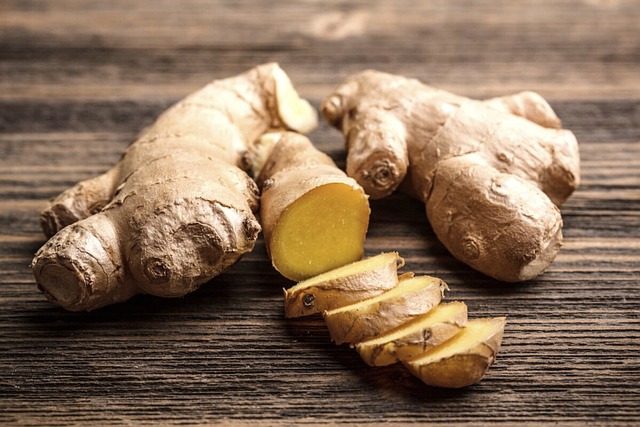
India is among the world’s largest producers of ginger, supplying fresh, dried, powdered, and processed forms.
Diverse Sourcing Regions
Different Indian regions yield ginger with varying fiber content, pungency, and oil concentration. A skilled ginger exporter from India selects sourcing regions based on end-use requirements.
Export-Ready Infrastructure
India’s spice processing ecosystem supports washing, slicing, drying, grinding, and sterilization at scale—key to serving global buyers.
Core Processing Stages That Influence Export Quality
Cleaning and Washing
Thorough washing removes soil, contaminants, and microbial load. This foundational step significantly impacts final product safety.
Drying Techniques
Controlled drying preserves essential oils and prevents mold growth. Excessive heat can degrade flavor, while inadequate drying reduces shelf life—both risks managed by an experienced ginger exporter from India.
Grinding and Particle Control
For ginger powder exports, uniform grinding ensures predictable performance in food formulations and beverage mixes.
Sterilization and Microbial Safety
Ginger is often flagged as a high-risk product in regulated markets.
To mitigate this, a reliable ginger exporter from India offers:
- Steam sterilization for microbial reduction
- Batch-wise microbial testing
- Documentation aligned with EU and US food safety norms
These measures protect buyers from regulatory setbacks and product recalls.
Shelf Life Management for Global Distribution
Shelf life is a commercial priority for international buyers.
Exporters maintain shelf stability through:
- Moisture control during processing
- Oxygen- and moisture-resistant packaging
- Controlled storage prior to shipment
A capable ginger exporter from India aligns shelf-life management with the realities of long-distance trade.
Packaging and Logistics Considerations
Packaging choices affect both quality and buyer experience.
Exporters typically provide:
- Food-grade bulk packaging for industrial buyers
- Customized packaging for retail and private-label clients
- Moisture-barrier liners for long-haul shipping
Strategic logistics planning ensures ginger arrives with its flavor and safety intact.
How Buyers Evaluate a Ginger Exporter from India
Beyond samples and pricing, buyers assess exporters on operational maturity.
Key indicators include:
- Processing transparency and documentation
- Testing capabilities and compliance history
- Responsiveness to technical queries
- Experience with destination-market regulations
A trustworthy ginger exporter from India functions as a supply partner, not just a vendor.
The Outlook for Indian Ginger Exports
With rising demand for natural ingredients, functional foods, and clean-label products, ginger exports are expected to grow steadily.
Exporters who invest in processing excellence, traceability, and buyer education will define the next phase of the market. For buyers, partnering with the right ginger exporter from India ensures consistency, compliance, and long-term sourcing confidence.
FAQs
1. Why does processing impact ginger export quality so strongly?
Processing affects flavor retention, microbial safety, and shelf life, all of which influence market acceptance.
2. Is Indian ginger suitable for EU and US markets?
Yes, when processed and tested to meet international food safety and residue standards.
3. What forms of ginger are commonly exported from India?
Fresh ginger, dried slices, ginger powder, and processed ginger products are widely exported.
4. How is shelf life maintained during long-distance shipping?
Through controlled drying, moisture-resistant packaging, and optimized logistics.
5. What should buyers look for in a ginger exporter from India?
Strong processing capabilities, transparent documentation, regulatory expertise, and consistent communication.