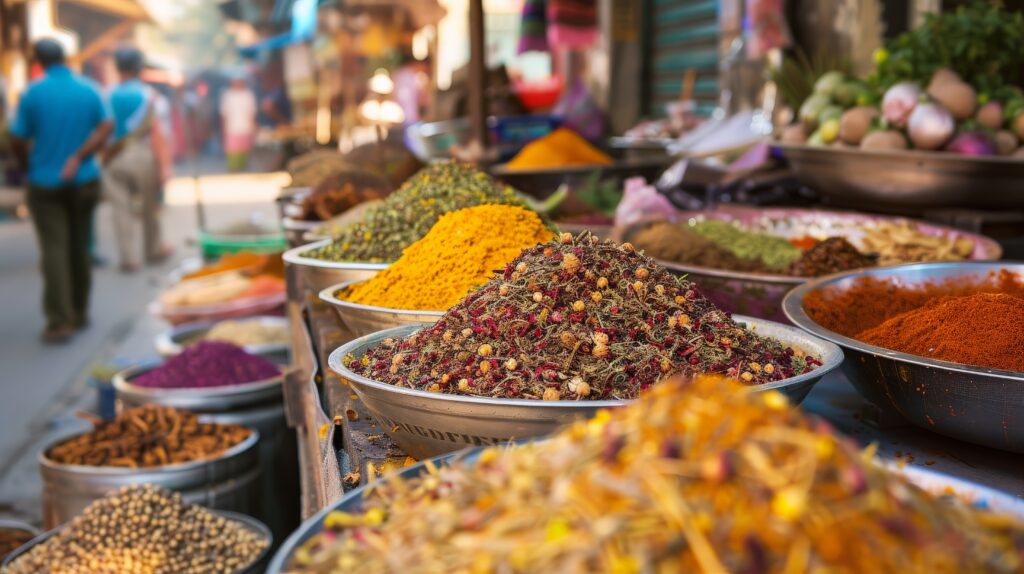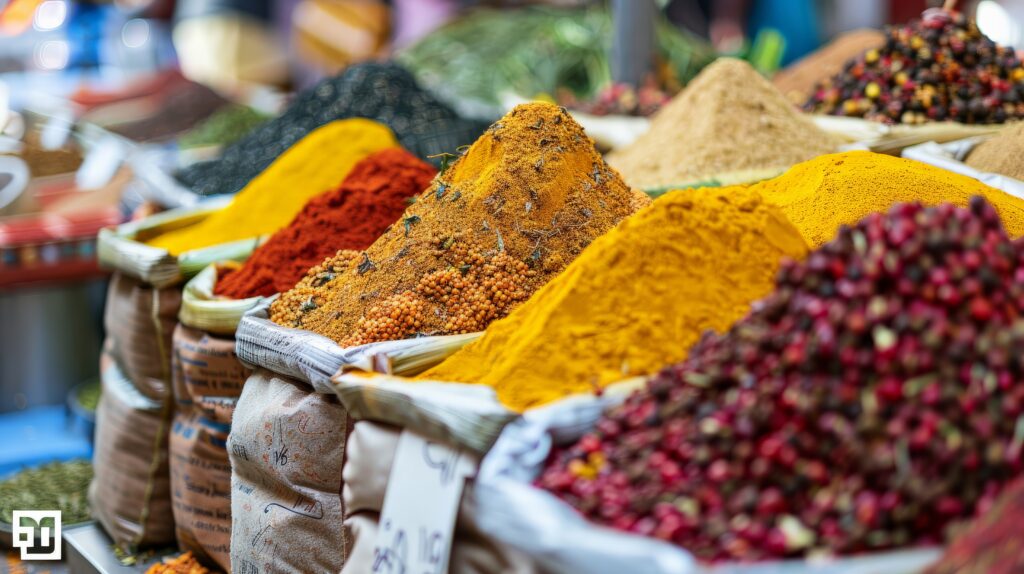
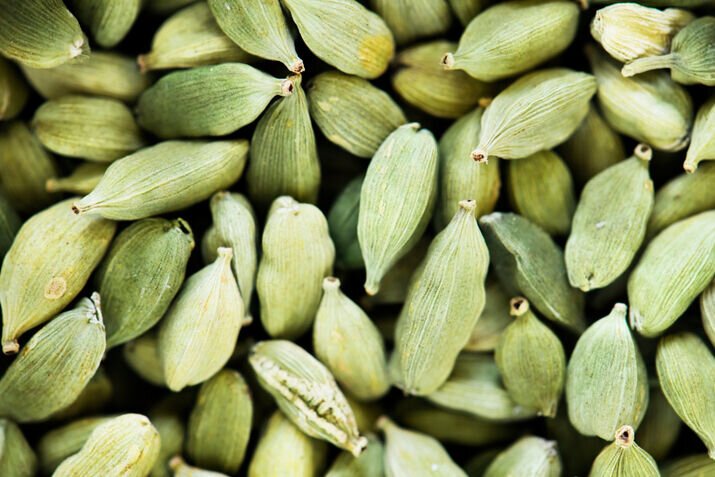
Culinary delights or traditional insights, cardamom has reached from Indian kitchens to the global market. India stands firmly as one of the leading exporters of cardamom to the world. The major export destinations include the UAE, Saudi Arabia, and the US. Beyond doubt, Guatemala is a tough competition for India.
Cardamom Export from India: Market Overview
The rich-flavored aroma of Indian cardamom, its organic cultivation techniques, and variety of sizes and colors demarcate the standard of cardamom export from India. As per Volza’s India export data, India has witnessed a remarkable growth rate of 33% from March 2023 to Feb 2024 when compared to the previous 12 months.
Key Challenges in Cardamom Export from India
However, cardamom export from India is met with multiple challenges affecting market position and profitability:
- Erratic weather conditions and temperature variations can impact productivity considerably. In turn, the prices get affected too.
- Maintaining the aroma, color, and size of the spice can be a handful for cardamom export from India.
- Overcoming obligatory export restrictions and fulfilling import duties.
- Competition is posed by countries like Guatemala, which is one of the leading cardamom exporters.
There may be countless challenges. Despite these, India holds immense potential to uphold its position as the global leader in terms of cardamom export. The following measures can help cycle the challenges effectively to maximize production and quality of cardamom export from India
We’ve covered these pain points in detail in our blog on issues and challenges in cardamom export from India.
Strategies to Strengthen India’s Cardamom Exports
India has immense potential to enhance its market share in cardamom. The following measures can help:
- Performing adequate market research to understand the trends, consumer demands, pricing, and the fluctuations associated with them.
- Emphasizing organic harvesting and post-harvesting techniques to ensure premium quality of cardamom exports from India. Just like SpiceCentra.
- Standardized packaging and labeling to highlight geographical indications (GI tags) and organic certifications.
- Nurturing domestic as well as global trade relations.
- Encouraging climate-resilient farming methods, irrigation systems, and research on drought-resistant cardamom cultivars.
Want a complete breakdown of the process? Check out our step-by-step guide on how to export cardamom from India in 2025.
Future of Cardamom Export from Kerala & Tamil Nadu
Kerala’s Idukki district and parts of Tamil Nadu remain the core regions for fresh cardamom export from India. By investing in technology, logistics, and compliance, exporters from these regions can continue to meet rising demand and challenge Guatemala’s market dominance.
Conclusion
In a nutshell, cardamom export from India still calls for global demand. Overcoming problems like irregular weather conditions, quality checks, and export and import regulations are key factors. By paying attention to appropriate farming techniques and other strategies and making strong partnerships, you can help maximize productivity and profitability.
If you’re searching to export high-quality Indian cardamom, visit SpiceCentra.
FAQs
Q1: Who are the leading cardamom exporters from India?
India’s top cardamom exporters, mainly from Kerala and Tamil Nadu, are known for quality, sustainability, and bulk supply. Companies like SpiceCentra offer premium cardamom with reliable packaging and timely global delivery.
Q2: What is involved in cardamom export from India?
Cardamom export from India requires sourcing quality pods, grading, meeting Spices Board regulations, proper packaging, certifications like FSSAI, and selecting the right shipping method.
Q3: How to export cardamom from India successfully?
To export cardamom from India, register your business, get IEC and APEDA licenses, source and grade quality cardamom, pack as per global standards, and fulfill documentation and logistics.
Q4: What are the main regulations governing the export of cardamom from India?
Cardamom export from India is regulated by the Spices Board and requires meeting quality, packaging, and food safety standards. Certifications like phytosanitary are essential.
Q5: Why are Indian cardamom exporters preferred globally?
Indian cardamom exporters are preferred for their rich aroma, superior quality, traditional cultivation, and compliance with global standards, making India a trusted source.
Q6: What are the key challenges in cardamom export from India?
The cardamom export from India faces several challenges, including inconsistent weather patterns affecting crop yields, stringent international quality standards, and compliance with pesticide regulations. Additionally, logistical issues such as delayed shipments and inadequate packaging can hinder the export process.
Q7: How can I become a cardamom exporter from India?
To become a cardamom exporter from India, one must obtain an Importer Exporter Code (IEC) from the Directorate General of Foreign Trade (DGFT), register with the Spices Board of India, and comply with the Food Safety and Standards Authority of India (FSSAI) regulations. Additionally, understanding international trade laws and establishing reliable supply chains are crucial steps.
Q8: What is the current cardamom export trade data from India?
According to recent data, India exported 4,776 shipments of cardamom from June 2024 to May 2025, with the United States, United Arab Emirates, and Australia being the top importers. This indicates a growing demand for Indian cardamom in international markets.
Q9: What are the environmental factors affecting cardamom export?
Environmental factors such as erratic weather patterns, including delayed monsoons and inconsistent rainfall, have led to delayed harvests and reduced crop yields. These challenges impact the supply chain and can affect the quantity and quality of cardamom available for export.
Q10: Which countries are the top exporters of cardamom?
While India is a significant exporter of cardamom, Guatemala leads the global market with a 45.2% share, followed by India at 12.8%. Other notable exporters include the United Arab Emirates, Nepal, and Indonesia.