Introduction: Why Cardamom Is Treated as a Premium Spice
Cardamom occupies a unique position in the global spice trade. Unlike many volume-driven spices, it is valued for its aroma, appearance, and consistency, making it a premium ingredient across food, beverage, and confectionery applications. As international demand evolves, cardamom export from India is increasingly evaluated through grade segmentation rather than origin alone.
In 2026, buyers sourcing cardamom are not simply purchasing spice—they are selecting a precise grade that aligns with product positioning, flavour expectations, and market standards.
The Importance of Grade Segmentation in Cardamom Trade
Grade segmentation defines how cardamom is priced, positioned, and accepted in global markets. Size, colour, maturity, and oil content directly influence grade classification and buyer preference.
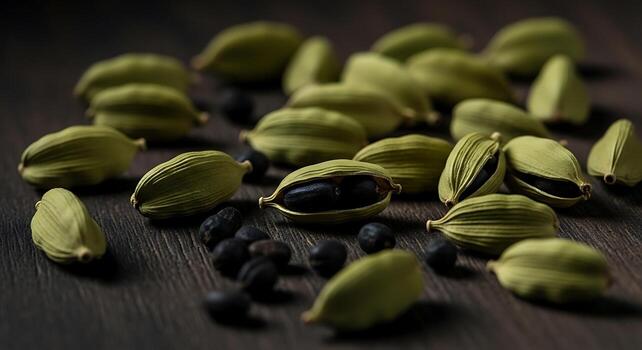
Premium buyers often demand bold green pods with uniform size and strong aroma. Slight variations in colour or pod density can shift cardamom into a different grade category, affecting both usability and pricing. Exporters who understand these nuances can align supply more accurately with buyer requirements.
Grade clarity reduces mismatch and strengthens trade efficiency.
Physical Attributes That Determine Cardamom Grades
Cardamom grading begins with visible and measurable characteristics. Pod size, shape, colour retention, and cleanliness are among the most critical attributes.
Green colour is often associated with freshness and quality, but colour retention depends heavily on post-harvest handling and drying methods. Uniform pod size ensures consistent flavour release during processing, particularly for buyers using automated systems.
Exporters supplying premium markets invest in precise grading and sorting to maintain visual and functional consistency.
Processing Methods and Their Impact on Quality
Processing integrity plays a decisive role in grade preservation. Improper drying can dull colour, weaken aroma, or reduce essential oil content. Excessive heat exposure may compromise flavour compounds, affecting suitability for high-end applications.
Export-ready cardamom requires controlled drying environments, hygienic handling, and careful storage. Exporters who implement process discipline protect grade integrity throughout the supply chain, from sourcing to shipment.
Processing consistency is essential for maintaining premium positioning.
Market-Specific Expectations for Cardamom Exports
Different global markets apply distinct expectations to cardamom grades. Middle Eastern buyers often prioritise bold appearance and aroma, while European buyers may focus more on compliance, residue control, and uniformity.
Exporters must adapt grading, packaging, and documentation to align with destination-specific preferences. A single grading approach rarely satisfies all markets. Flexibility in meeting regional expectations allows exporters to serve diverse buyer segments effectively.
Understanding market nuance is critical in premium spice trade.
Compliance and Documentation for High-Value Shipments
As a high-value spice, cardamom is subject to strict regulatory oversight. Buyers expect exporters to maintain comprehensive compliance documentation, including residue testing and traceability records.
Failure to meet regulatory standards can result in shipment delays or rejection, carrying significant financial risk due to cardamom’s value. Exporters who proactively manage compliance reduce risk and build buyer confidence.
In premium markets, documentation is as important as quality.
Supply Stability and Price Sensitivity
Cardamom production is sensitive to climatic conditions, making supply stability a recurring concern. Crop fluctuations can impact availability and pricing, especially for top grades.
Experienced exporters manage this risk through diversified sourcing, inventory planning, and transparent communication with buyers. Providing realistic timelines and grade availability helps buyers plan procurement more effectively.
Stability strengthens long-term trade relationships.
Sustainability and Ethical Sourcing in Cardamom Trade
Sustainability considerations increasingly influence premium spice sourcing. Buyers value exporters who support ethical farming practices, responsible agro-input usage, and long-term farmer engagement.
Sustainable sourcing contributes to consistent quality and reduces compliance risk. Exporters who invest in responsible practices not only meet buyer expectations but also protect future supply continuity.
Ethical sourcing supports both quality and longevity.
Building Trust Through Grade Transparency
Transparency in grading builds trust in premium markets. Buyers expect exporters to clearly define grade specifications and deliver accordingly.
Exporters who consistently meet declared grades reduce buyer risk and strengthen credibility. Over time, this transparency enables deeper partnerships, repeat orders, and expanded sourcing agreements.
Trust is built through accuracy, not assurance.
Conclusion: The Role of Grade Precision in Cardamom Exports
The global cardamom market rewards precision. Cardamom export from India succeeds when exporters align grade segmentation, processing integrity, and compliance with premium buyer expectations.
As global buyers become more selective, exporters who deliver clarity, consistency, and transparency will remain preferred partners. In 2026, excellence in cardamom exports is defined by disciplined execution and deep market understanding.
At Spice Centra, we specialise in premium-grade cardamom exports, ensuring precise size sorting, vibrant colour retention, and strong aroma integrity. Our controlled drying methods, strict compliance checks, and transparent grade specifications help global buyers source with confidence. For markets where precision defines value, Spice Centra delivers consistency, clarity, and dependable premium supply.
Frequently Asked Questions (FAQs)
Why is grade segmentation important in cardamom exports?
Grades determine usability, pricing, and acceptance in premium global markets.
What physical traits influence cardamom grading?
Pod size, colour, uniformity, aroma, and cleanliness are key grading factors.
Do different markets prefer different cardamom grades?
Yes. Buyer preferences vary by region and application.
How does processing affect cardamom quality?
Controlled drying and hygienic handling preserve aroma, colour, and oil content.
Is compliance critical for cardamom exports?
Yes. As a high-value spice, cardamom requires strict regulatory and documentation alignment.