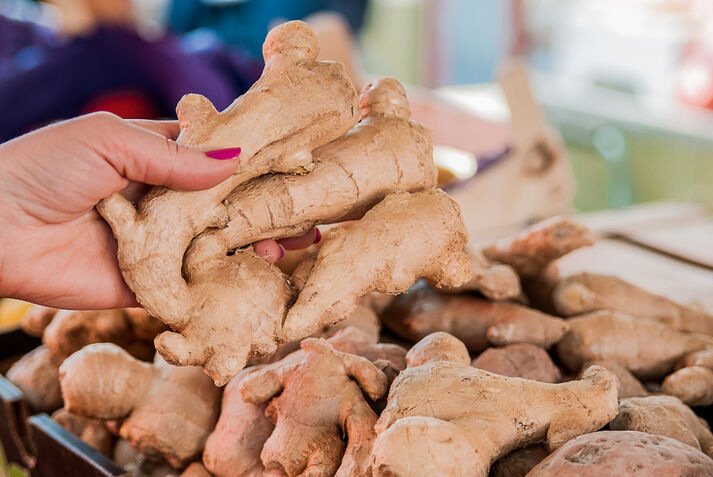
Ginger is widely known for its medicinal properties. Ginger has a wide variety of applications in the food, medicine, and skin care industries. It is used in essential oils, anti-aging products, hair care, controlling blood sugar and inflammation, etc. This is the reason why ginger exporters from India are growing in number and adding revenue to the country’s economy.
India is the largest producer of ginger in India and also exports more ginger than any other country in the world, with 198,201 shipments, followed by China (67,808) and South Africa (25,273), as per records from Volza, July 2024. Export and import come with regulations and restrictions of their own at the domestic level and at the international level. The ginger exporters from India need to abide by government policies and international compliance.
Government Regulations for Ginger Exporters from India
The Indian government has set up various guidelines for ginger export, including documentation, registration, and trade agreements. The Spices Board of India, established by the Ministry of Commerce and Industry, Government of India, is the link between exporters and importers, providing authentic guidance in the process. Required records for ginger exporters from India are as mentioned below:
- MCA Business Registration
- Registration for GST
- Import and Export code
- CRES Certification from India’s Spice Board
- Agricultural and Processed Food Products Export Development Authority (APEDA)
- Registration with the Food Safety and Standard Authority of India (FSSAI)
- Phytosanitary Certificate
Global Market for Ginger Exporters from India
India faces competition from China and other global ginger producers due to their low prices of items. To remain competitive, India must increase its ginger crop’s productivity and quality. However, importing nations often find Indian ginger undesirable due to contamination. The combined efforts of dealers and markers, as well as ginger exporters from India, will help fend off competition.
“India’s dry ginger export from India companies have immense potential, just like SpiceCentra. Indian exporters can increase their global footprint by upholding quality standards, resolving logistical issues, and investigating new markets.
FAQs
Q1: Who is a ginger exporter from India?
A ginger exporter from India refers to companies in India that cultivate, process, and ship ginger internationally, leveraging India’s position as the world’s top ginger exporter.
Q2: How to export ginger from India to other countries?
To export ginger from India to other countries, obtain IEC, GST, FSSAI, CRES, and APEDA registration and phytosanitary certificates; then grade, package, and ship per import regulations.
Q3: What ginger variety in India is best for export?
India grows several ginger varieties—like bold, fibrous types from Karnataka and aromatic ones from Assam and Kerala—each suited for fresh, dried, or value-added export markets.
Q4. How to export ginger from India to other countries?
To start ginger export from India to other countries, you’ll need to register for an Importer Exporter Code (IEC) with DGFT, obtain FSSAI and APEDA certification, and comply with GST registration. Once registered, exporters must source quality-tested ginger, follow international packaging and labeling norms, and prepare documents like the Phytosanitary Certificate and Certificate of Origin. Working with experienced freight forwarders ensures smooth delivery and compliance with import regulations.
Q5. Which are the top ginger exporting countries?
Globally, the leading ginger exporting countries are China, India, Nigeria, and Indonesia. China dominates in production and export volume, while India is valued for its pungent, aromatic ginger varieties that are preferred in Middle Eastern, European, and Asian markets. Other contributors include Thailand, Nepal, and Peru, which export niche varieties to regional markets.
Q6. Who are ginger exporters?
Ginger exporters are companies or traders who cultivate, process, package, and ship ginger from producing nations to global markets. In India, ginger exporters work closely with farmer cooperatives in Karnataka, Assam, and Kerala to supply fresh, dried, or powdered ginger internationally. Reliable exporters also ensure compliance with food safety certifications, export regulations, and provide traceable, high-quality shipments for buyers.